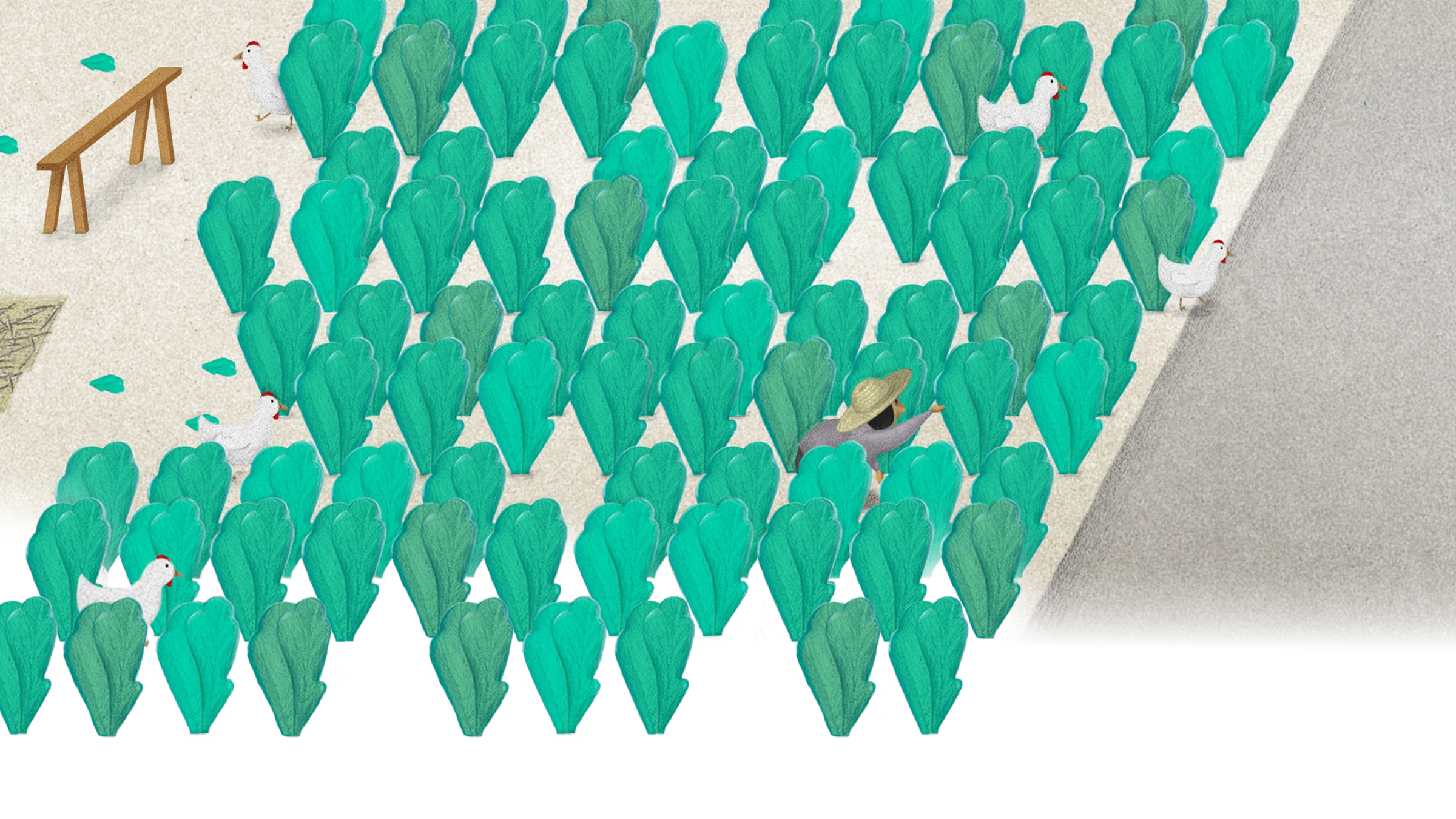


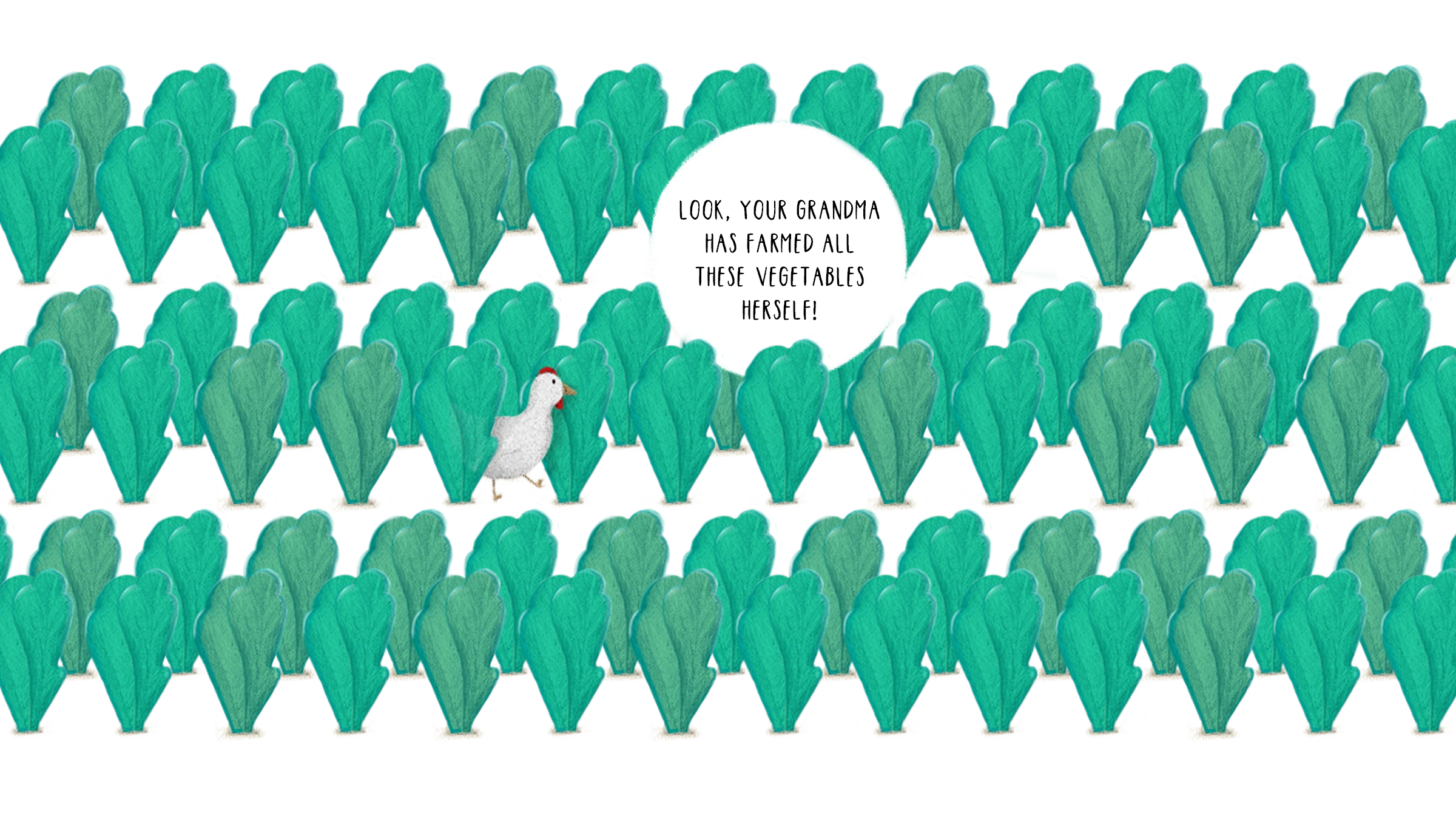
The land she farms on is not hers. In China, land in urban areas is state owned but private individuals and companies can hold users rights. In rural areas like where my grandmother lives, land belongs to the community: it’s collectively owned. But it’s not clearly defined who this collective is, not even in law. In practise local authorities claim the land.
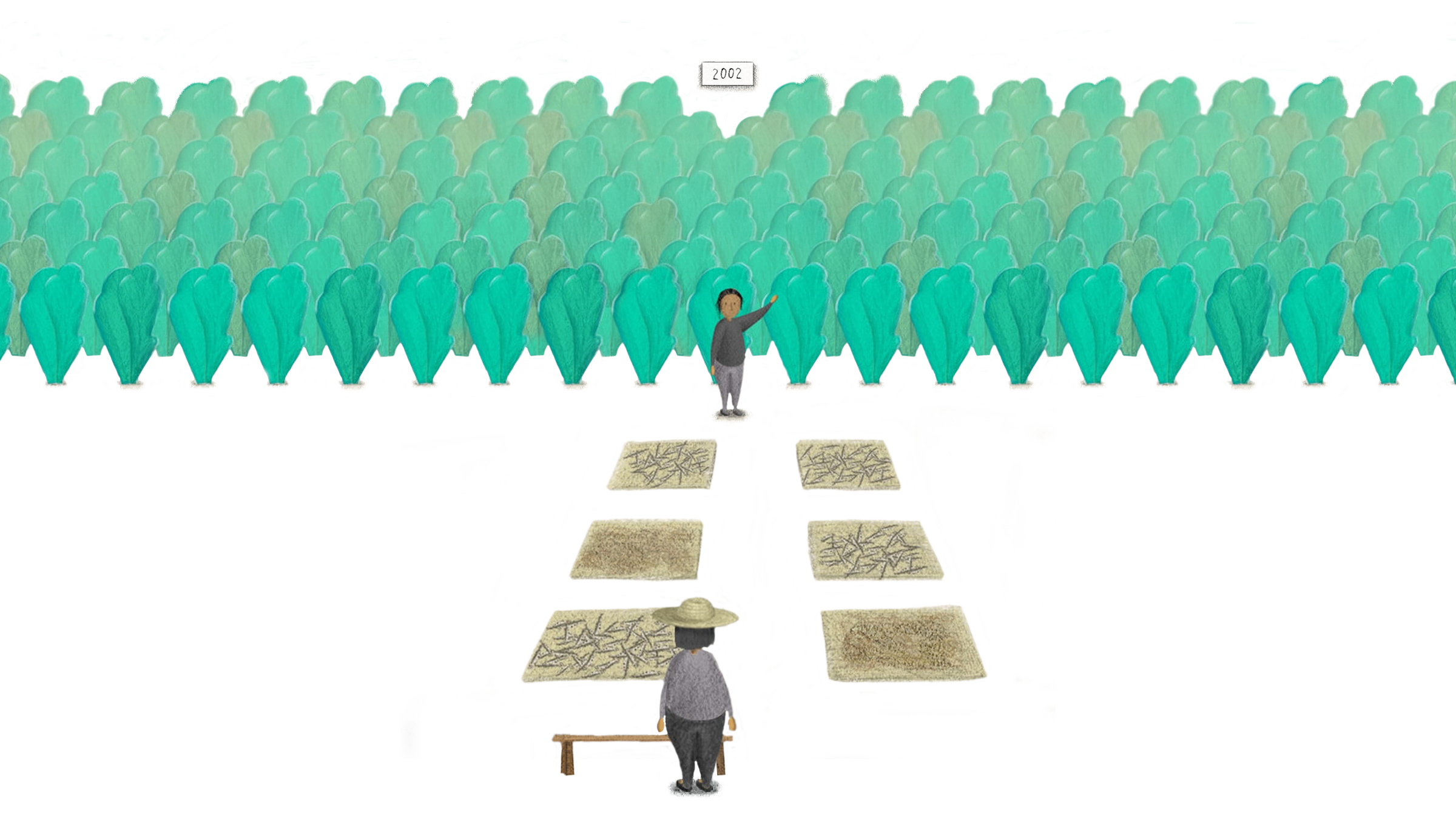
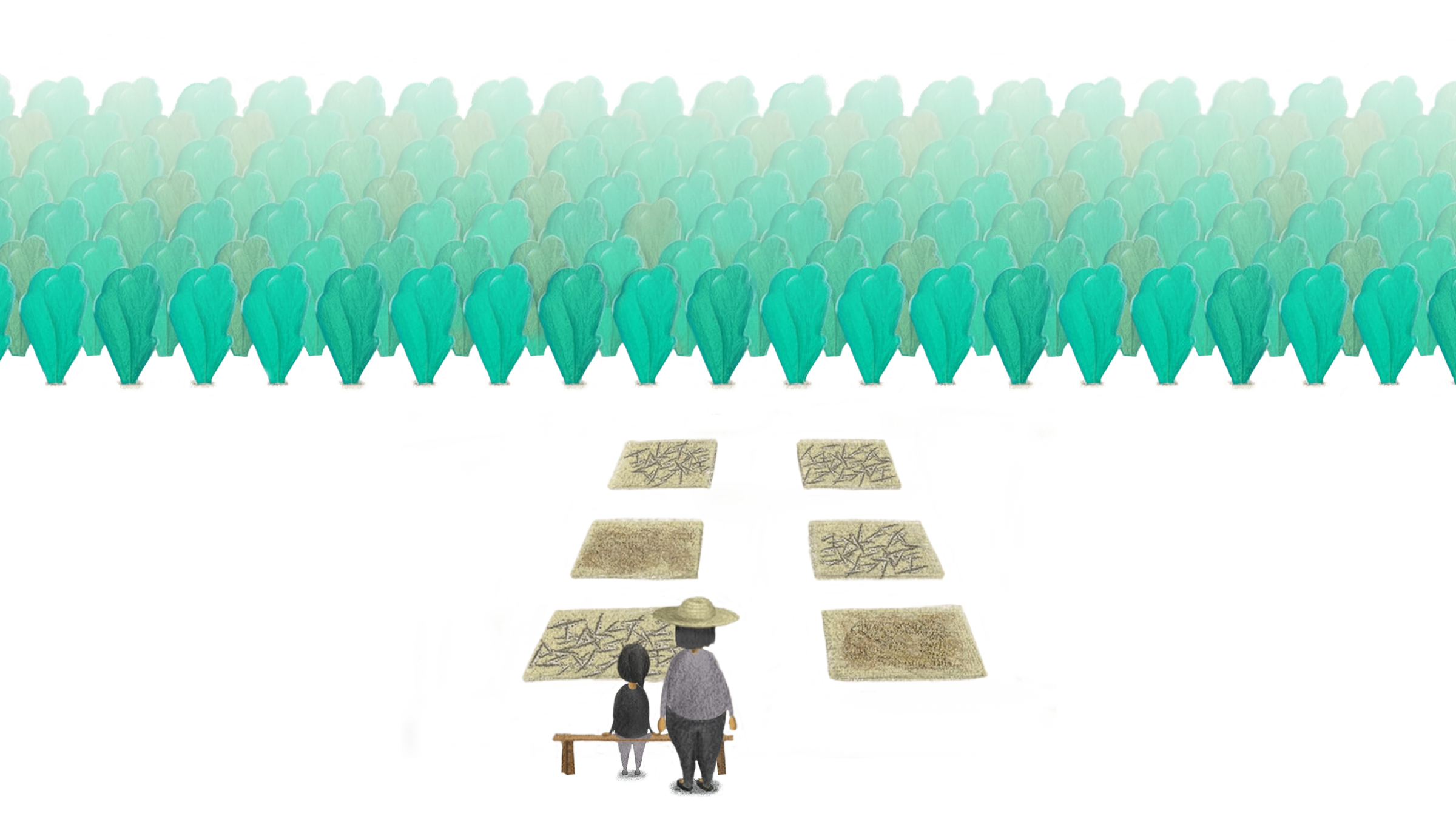
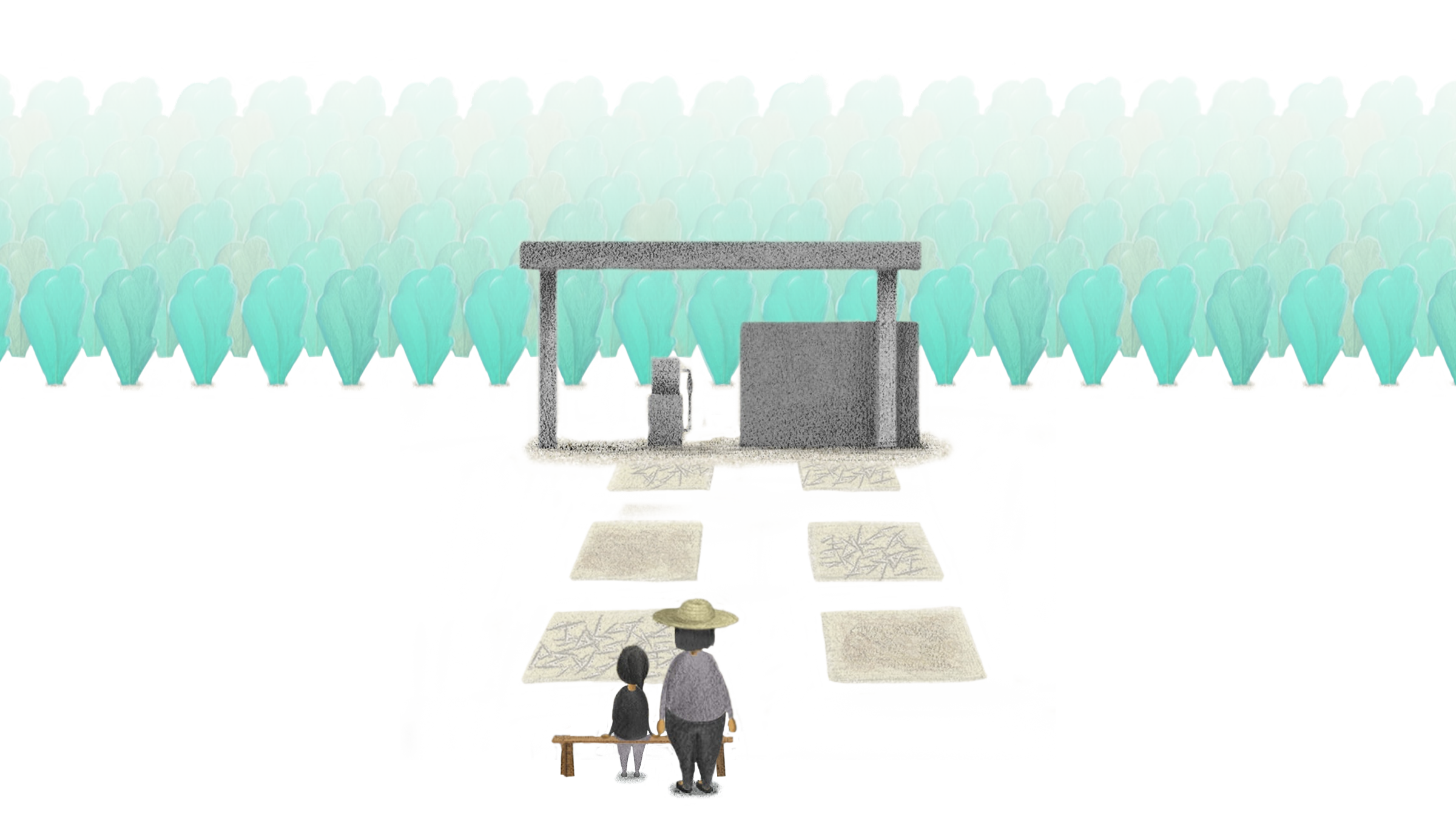
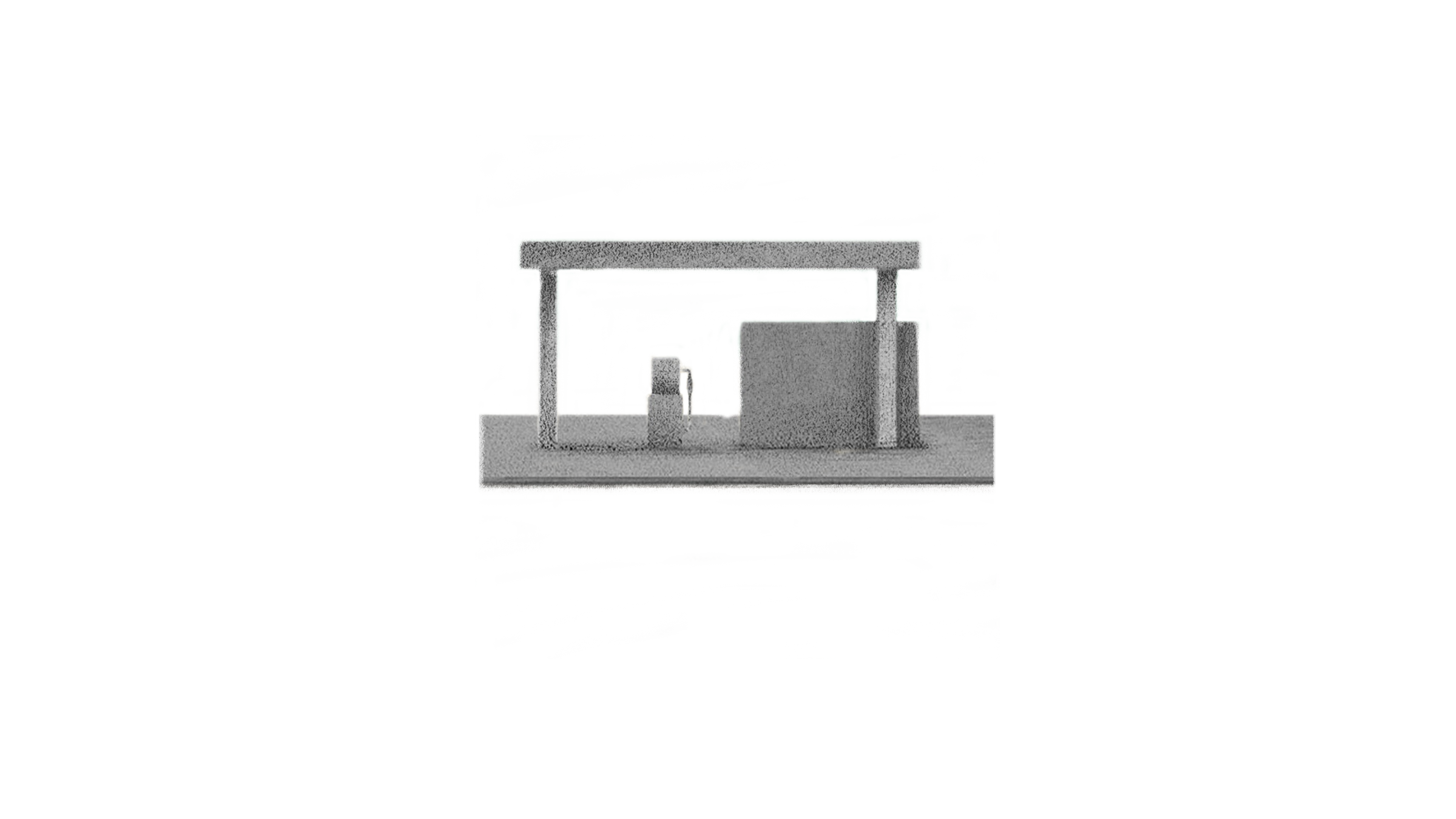
Local authorities claim land to modernise rural areas, but there are financial reasons too. Between 2004 and 2006 agricultural tax was abolished, which left a big budgeting gap. Leasing land to property developers generates more revenue than leasing it to farmers. Nowadays, this generates nearly half of local government income. That is why land appropriation occurs everywhere in China.




Back in 2011 heavy protests against land grabs took place in another village in the south of China. Villagers in Wukan claimed not to be adequately compensated. The protests led to the first election in 42 years to form a new village commitee. My grandmother and the villagers of Wukan are not the only ones who had to leave the land they lived on. Tens of millions of peasants have had their land appropriated by local governments. In the running up to the Olympic Games in Beijing in 2008, 1.5 million people had to leave their homes. To build the Three Gorges Dam 1.3 million people were forced to move.
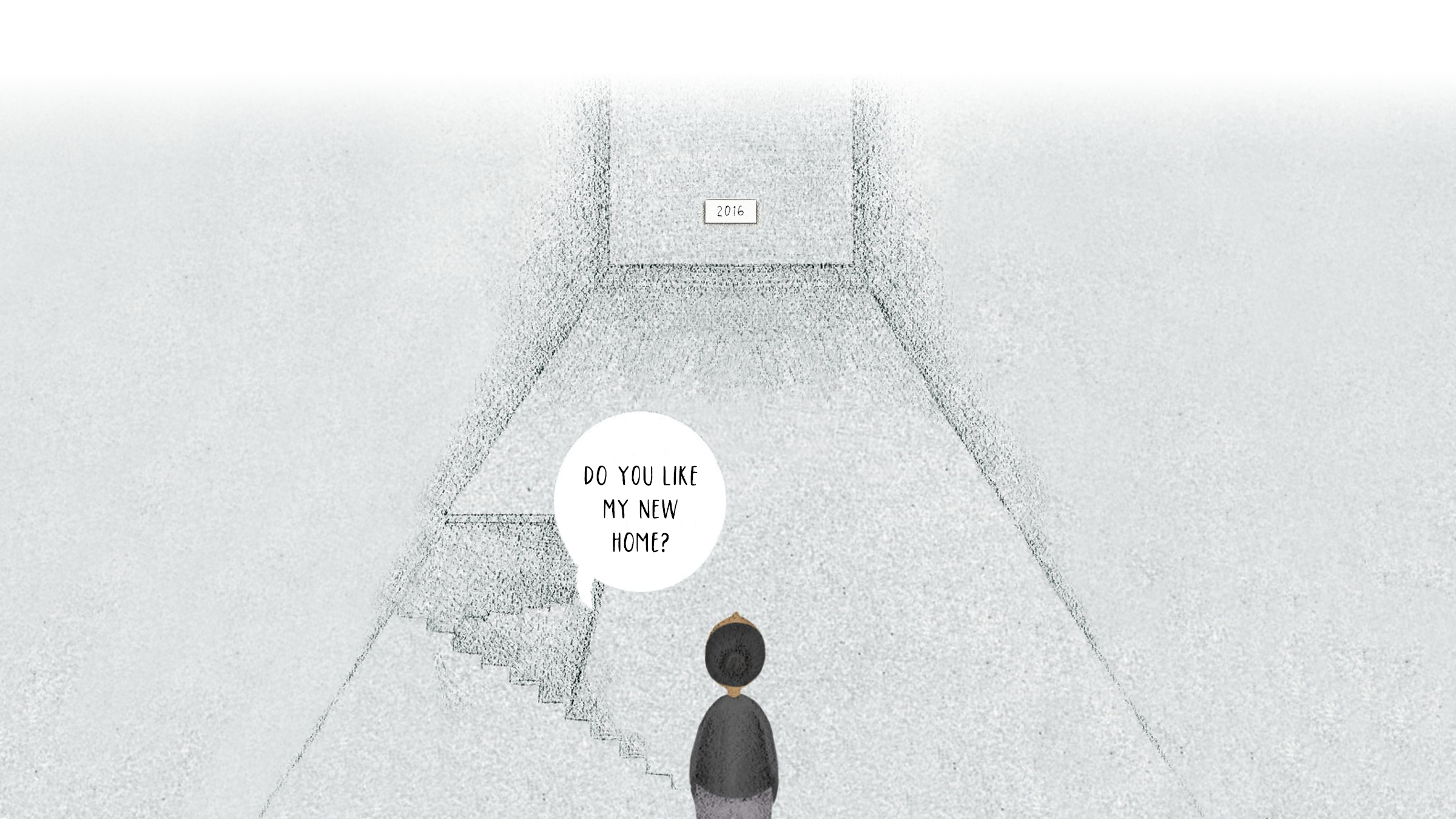
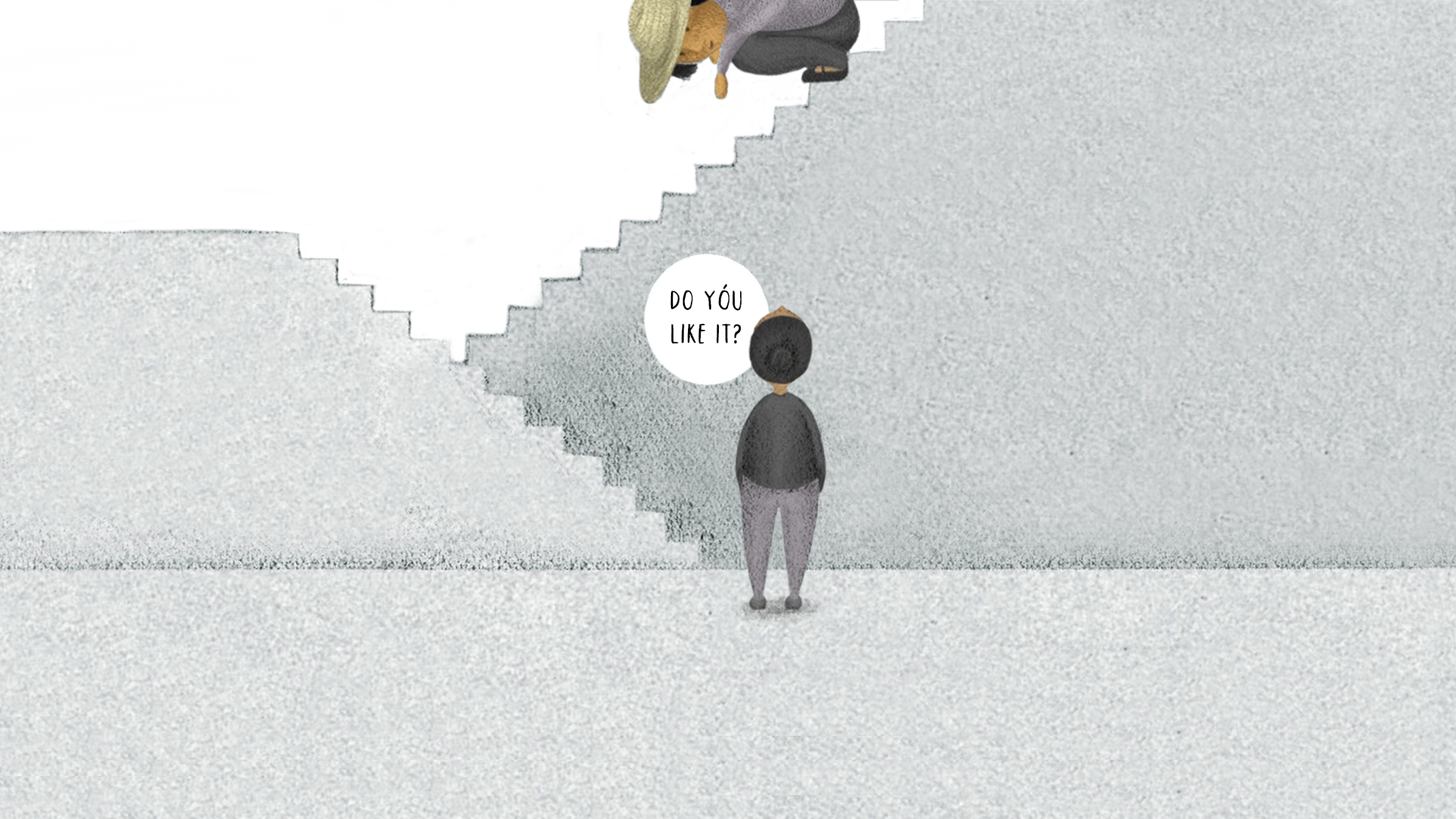
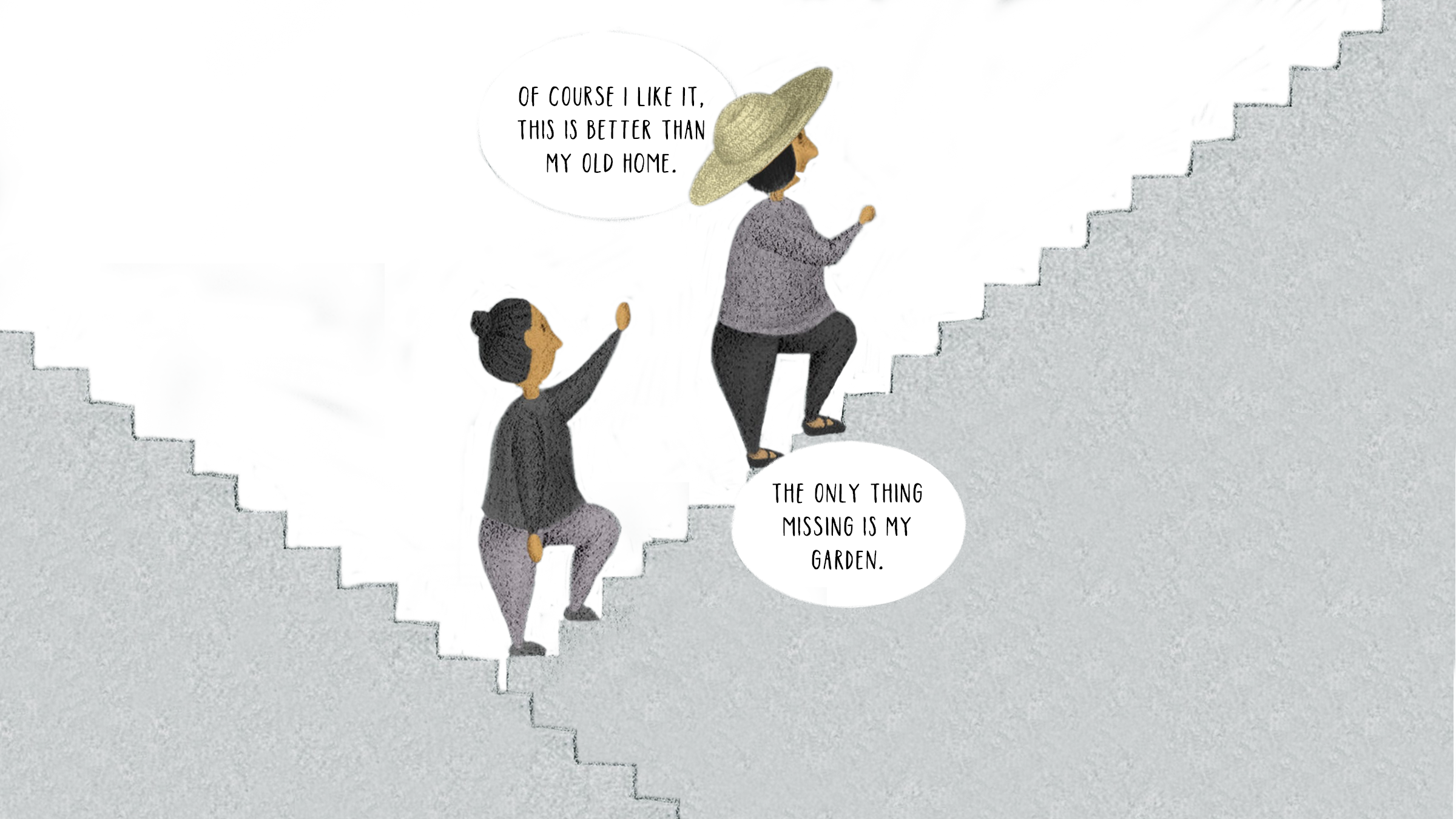
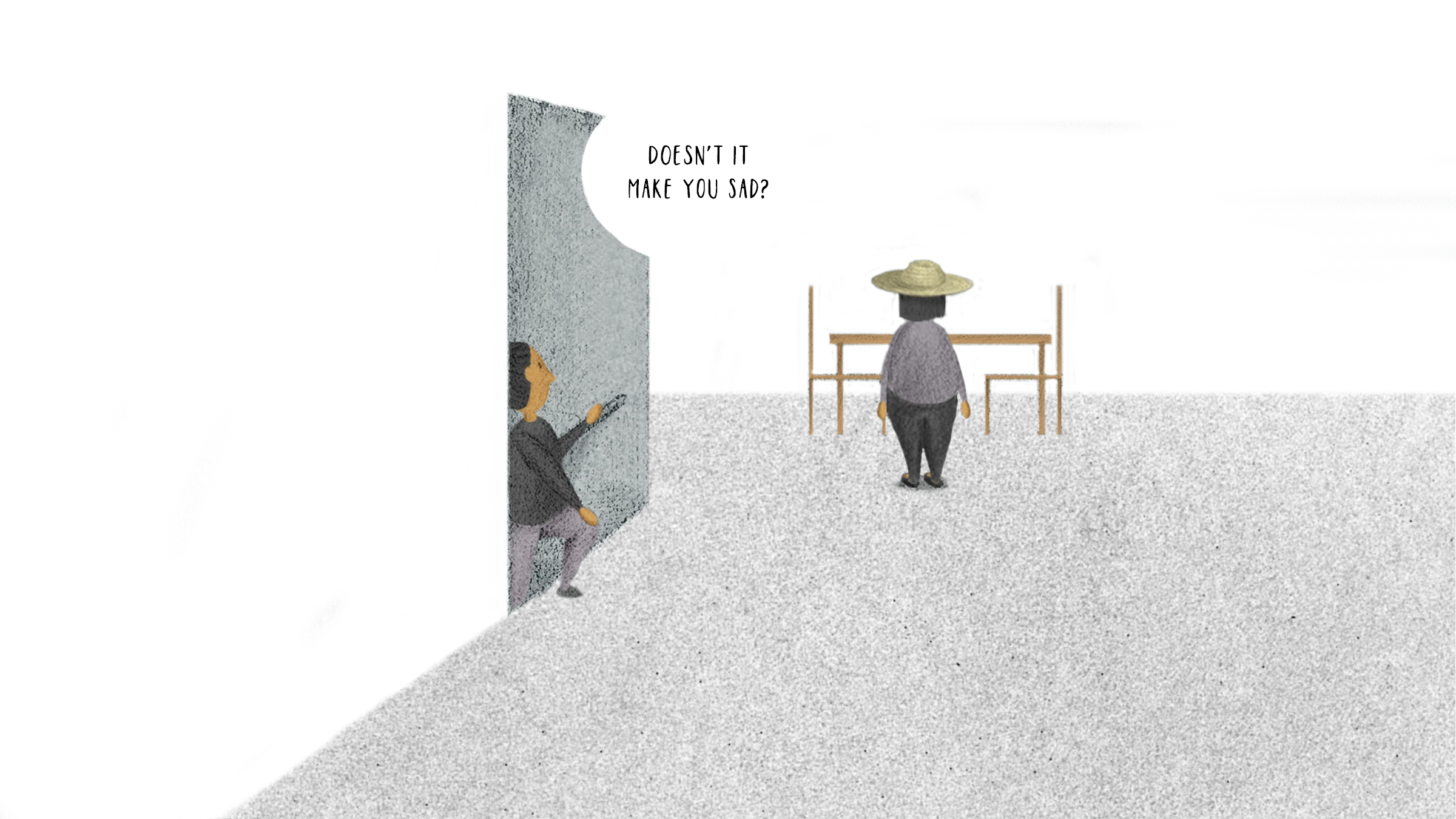
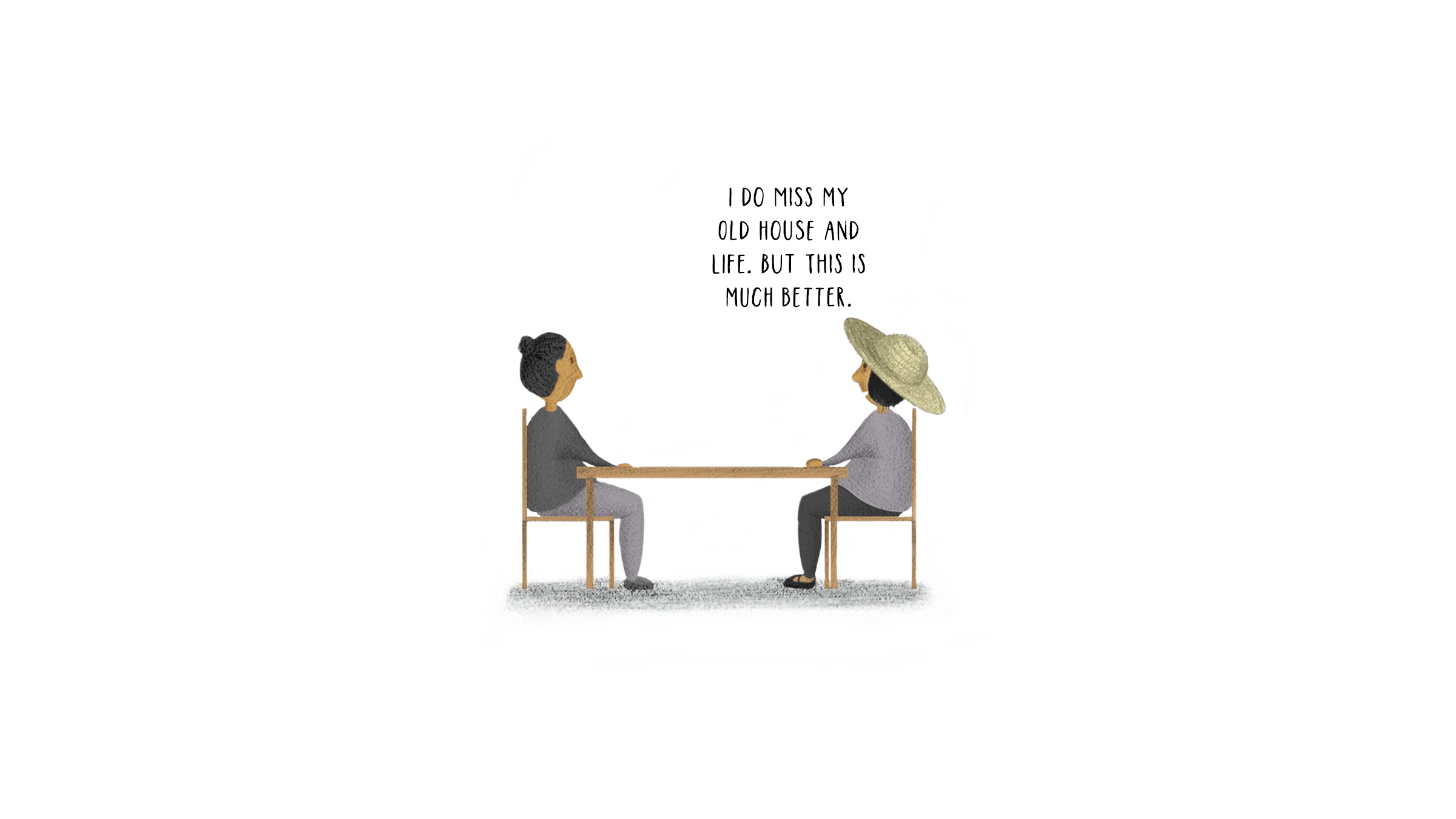
In Wukan, the villagers didn’t get what my grandmother did get: an adequate compensation. By law, the compensation consist of three parts: a compensation for relocation, payouts for lost fixtures and standing crops and a compensation or replacement of lost land. Nevertheless, this practice is often deviated from, and protests frequently center around this issue. Regional differences can be significant, as essentially local authorities themselves determine how much compensation they are willing to provide.
Over 60 percent of all demonstrations in China are related to land appropriation. Sometimes protesters succeed in bringing down corrupt authorities, such as in Wukan where the sitting local government left and another leader, Lin Zuluan, was elected. It was a democratic experiment, as Lin was the first elected village leader there since 42 years. Years later he was convicted for corruption charges, though his supporters say his confession to bribery was forced. Unlike in Wukan, not all of these demonstrations are about politics. Protesters often just want their land back or a reasonable compensation. They want to get what’s fair.